People

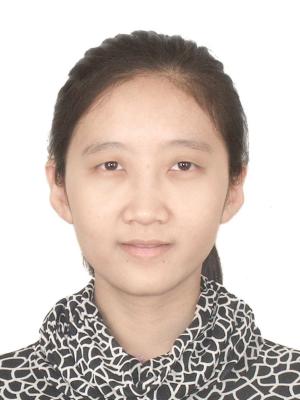
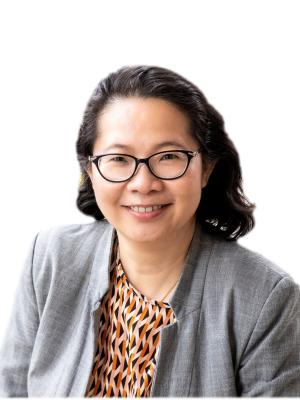
Kwang Leong Choy

Professor of Materials Science, Duke Kunshan University Co-director, Environmental Research Center, Duke Kunshan University

Kwang Leong Choy’s research focuses on the development of high performance nanostructured and nanocomposite materials based on superthin/thin/thick films using novel and advanced materials synthesis methods for solar cells, energy storage, optoelectronics, environment, engineering, healthcare and biomedical applications. Her pioneering research on the innovative, eco-friendly and cost effective non-vacuum Chemical Vapour Deposition platform technology has led to patents, technology translation and exploitation by industrial companies as well as recognition awards, including the Kroll Medal & Prize (2020) and Grunfeld Memorial Award and Medal (1999) by The Institute of Materials, Minerals and Mining (IoM3). She has led and participated in many national, European and international research projects with a large consortium of academia and industries.

She has authored four books, “Chemical Vapour Deposition (CVD): Advances, Technology and Applications” (CRC Press, 2019), “Biomaterials in Clinical Practice: Advances in Clinical Research and Medical Devices” (Springer, 2017), “Commercialization of Nanotechnologies–A Case Study Approach” (Springer, 2017) and “Innovative and Cost-effective Materials Processing Methods” (Imperial College Press, London 2002). She has over 300 publications to her name, including papers published in leading academic journals such as Progress in Materials Science, Advanced Materials and ACS Nano. Her teaching interests at Duke Kunshan include materials science, materials synthesis and characterization, nanoscale functional materials and courses that connect materials to energy, environmental science and global health sectors.

Choy has a D.Phil. in materials science from the University of Oxford and a D.Sc. in materials from the University of Nottingham. Before joining Duke Kunshan, she was the founding director of the Institute for Materials Discovery and professor for materials discovery at University College London (UCL). She was also course director of the postgraduate taught programme (MSc) in advanced materials science at UCL.

She has served as a chairperson in materials and research director of the University Innovation Centre at the University of Nottingham, and as a reader at Imperial College London. Choy also held the Violette and Glasstone Research Fellowship at the University of Oxford. She has received teaching awards from the University of Nottingham and University College London. She has been awarded Fellow of The Institute of Materials, Minerals and Mining (FIMMM) and Fellow of the Royal Society of Chemistry (FRSC) in 2007 and 2010, respectively.
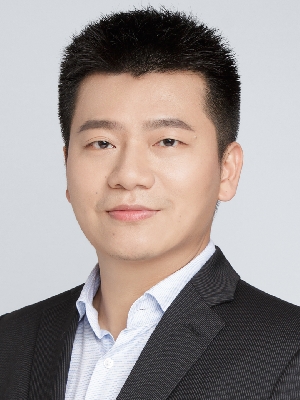
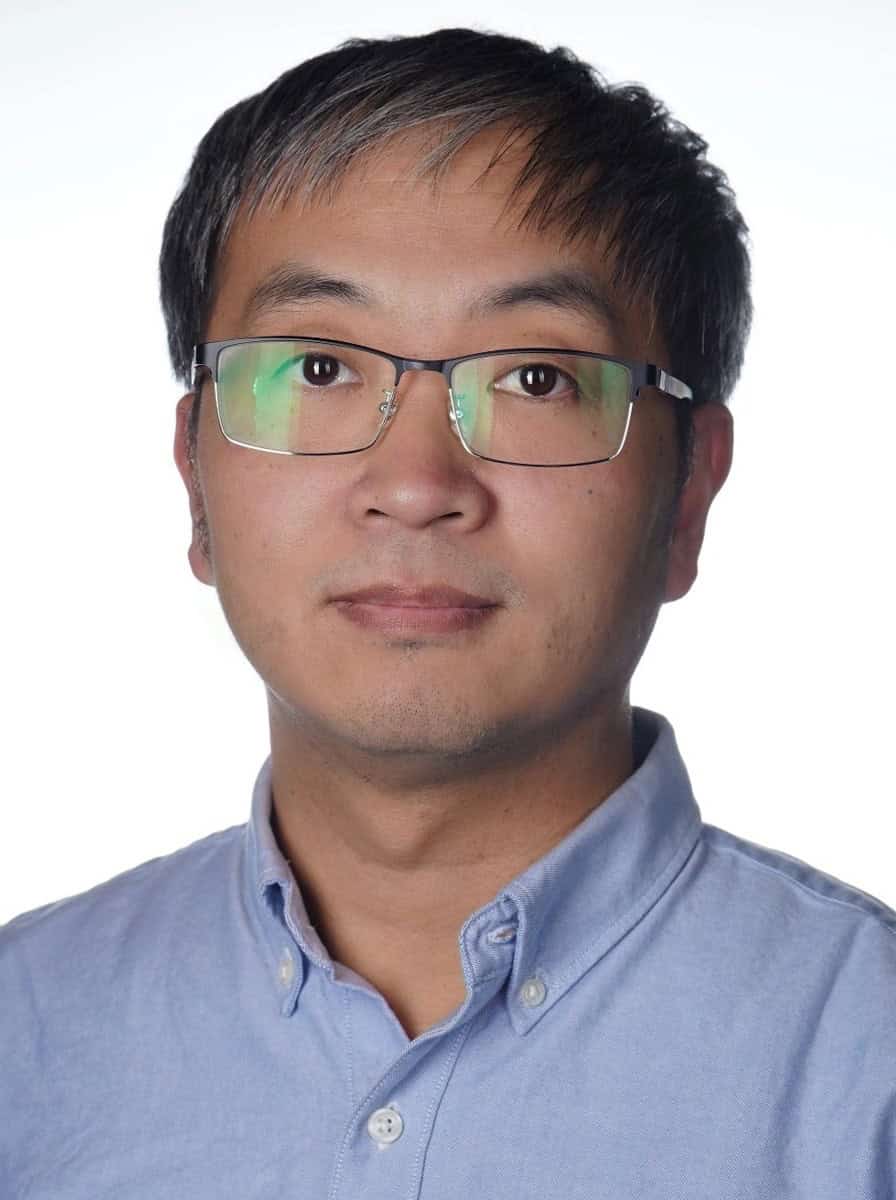
Jingbo Cui

Associate Professor of Applied Economics at the Division of Social Sciences, Co-Director at the Environmental Research Center, and Director of Graduate Studies for the International Master of Environmental Policy (iMEP) program at Duke Kunshan University; Adjunct Professor and Ph.D. Supervisor at the School of Economics and Management at Wuhan University

Dr. Jingbo Cui is a tenured Associate Professor of Applied Economics at the Division of Social Sciences, Co-Director at the Environmental Research Center, and Director of Graduate Studies for the International Master of Environmental Policy (iMEP) program at Duke Kunshan University, Adjunct Professor and Ph.D. Supervisor at the School of Economics and Management at Wuhan University.

Dr. Cui’s research centers on Environmental Economics, the Economics of Climate Innovation, and the Economics of Climate Change. His recent research has delved into intriguing topics such as the drivers and obstacles to low-carbon innovation, the economic and environmental impacts of China’s climate policy, and the identification and quantification of financial consequences of climate risks in China. His scholarly contributions have been published in top-tier academic journals, including Proceedings of the National Academy of Sciences (PNAS), American Economic Review Papers and ProceedingsJournal of Environmental Economics and ManagementAmerican Journal of Agricultural Economics, Environmental and Resource Economics, Journal of Regional Science, The World Economy, and Energy Economics. He has been serving as an Associate Editor for Environment and Development Economics and a member of the editorial council at JAERE and JEEM, which are top journals in the field of environmental economics. His research projects on China’s Climate Policy and Low-Carbon Innovation have been funded by the National Natural Science Foundation of China (General Program, Junior Program, and Urgent Program). His research and perspectives on climate policy and energy transition have been covered by Nature Climate Change Highlight reports and world-leading media, such as Financial Times, Nature News in Focus, BBC Worklife, South China Morning Post, and others.

Before the current position at Duke Kunshan University, he was a Chu-Tian Junior Scholar from the Department of Education in Hubei Province, an Associate Professor at the School of Economics and Management at Wuhan University, a Post-doctoral Research Associate, and a visiting scholar at Iowa State University. He holds a Ph.D. in economics from Iowa State University, an M.S. in economics from Wuhan University, and a B.S. in economics and mathematics from Huazhong University of Science and Technology, China.

Jingbo Cui

Associate Professor of Applied Economics at the Division of Social Sciences, Co-Director at the Environmental Research Center, and Director of Graduate Studies for the International Master of Environmental Policy (iMEP) program at Duke Kunshan University; Adjunct Professor and Ph.D. Supervisor at the School of Economics and Management at Wuhan University

Dr. Jingbo Cui is a tenured Associate Professor of Applied Economics at the Division of Social Sciences, Co-Director at the Environmental Research Center, and Director of Graduate Studies for the International Master of Environmental Policy (iMEP) program at Duke Kunshan University, Adjunct Professor and Ph.D. Supervisor at the School of Economics and Management at Wuhan University.

Dr. Cui’s research centers on Environmental Economics, the Economics of Climate Innovation, and the Economics of Climate Change. His recent research has delved into intriguing topics such as the drivers and obstacles to low-carbon innovation, the economic and environmental impacts of China’s climate policy, and the identification and quantification of financial consequences of climate risks in China. His scholarly contributions have been published in top-tier academic journals, including Proceedings of the National Academy of Sciences (PNAS), American Economic Review Papers and ProceedingsJournal of Environmental Economics and ManagementAmerican Journal of Agricultural Economics, Environmental and Resource Economics, Journal of Regional Science, The World Economy, and Energy Economics. He has been serving as an Associate Editor for Environment and Development Economics and a member of the editorial council at JAERE and JEEM, which are top journals in the field of environmental economics. His research projects on China’s Climate Policy and Low-Carbon Innovation have been funded by the National Natural Science Foundation of China (General Program, Junior Program, and Urgent Program). His research and perspectives on climate policy and energy transition have been covered by Nature Climate Change Highlight reports and world-leading media, such as Financial Times, Nature News in Focus, BBC Worklife, South China Morning Post, and others.

Before the current position at Duke Kunshan University, he was a Chu-Tian Junior Scholar from the Department of Education in Hubei Province, an Associate Professor at the School of Economics and Management at Wuhan University, a Post-doctoral Research Associate, and a visiting scholar at Iowa State University. He holds a Ph.D. in economics from Iowa State University, an M.S. in economics from Wuhan University, and a B.S. in economics and mathematics from Huazhong University of Science and Technology, China.

Jackson Ewing

Senior fellow at Duke University’s Nicholas Institute of Environmental Policy Solutions Adjunct associate professor at the Sanford School of Public Policy iMEP faculty lead

Jackson Ewing holds a joint appointment as a senior fellow at Duke University’s Nicholas Institute of Environmental Policy Solutions and an adjunct associate professor at the Sanford School of Public Policy. He works closely with the Duke Kunshan University Environmental Research Center and International Masters of Environmental Policy programs to build policy research collaboration across Duke platforms in the United States and China.

Prior to joining Duke, Ewing was director of Asian Sustainability at the Asia Society Policy Institute in New York, where he led projects on Asian carbon market cooperation and sustainable resource development in the ASEAN Economic Community. He previously served as a MacArthur Fellow and head of the Environment, Climate Change and Food Security Program at Singapore’s S. Rajaratnam School of International Studies, and has worked throughout Asia with actors in government, the private sector, civil society, and international organizations.

Ewing publishes widely through a range of mediums and is a regular contributor to radio, television and print media. He holds a doctorate in environmental security and master’s degree in international relations from Australia’s Bond University, and a bachelor’s degree in political science from the College of Charleston.

Coraline Goron

Assistant Professor of Environmental Policy, Duke Kunshan University

Dr. Coraline Goron obtained a double Ph.D. degree in Political Science from the University of Warwick and the Université Libre de Bruxelles under the aegis of the Erasmus Mundus GEM program. Before joining DKU, Coraline was a postdoctoral research fellow funded by the Wiener-Anspach Foundation at the University of Oxford China Centre.
Her research centers on environmental politics with a specific focus on China, both domestically and as an increasingly influential actor in global environmental governance. Her Ph.D. thesis received the Marthe Engelborghs-Bertels Prize for Sinology in May 2018. It traced the transformation of China’s power stem and environmental protection and analyzed their combined outcomes on the implementation of decarbonization policies. It draws on a vast corpus of Chinese-language documentation, as well as interviews with Chinese industry experts and policy stakeholders.

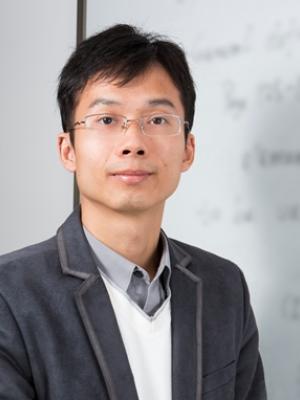
Wumeng He

Assistant Professor of Environmental Economics, Duke Kunshan University

He’s research explores the interactions between human behaviors, government policy and the environment in the context of developing countries, with special interests in land use, conservation, natural resource management and rural development. Trained as an economist with a strong interdisciplinary background, he is particularly interested in incorporating economic thinking with non-economic methodology. His teaching interests at Duke Kunshan University include environmental and resource economics, environmental policy analysis and the statistics of program evaluation.

He has a B.A. in environmental studies from Brown University, an M.A. in economics from New York University and a Ph.D. in environmental policy from Duke University. Before joining Duke Kunshan, he was assistant professor at Wuhan University.

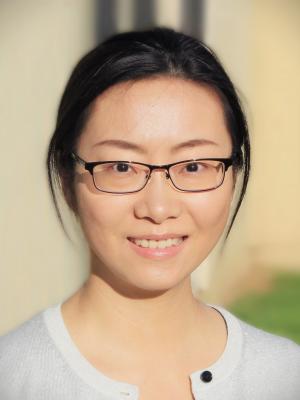
Binbin Li

Associate Professor of Environmental Science, Duke Kunshan University

Dr. Binbin Li is the Associate Professor of Environmental Sciences at the Environmental Research Center at Duke Kunshan University. She holds a secondary appointment with the Nicholas School of the Environment at Duke University. She focuses on the synergy between biodiversity conservation and sustainable development under climate change. Her research covers conservation planning to promote synergetic solutions to climate change mitigation and human health, One Health framework, endangered and endemic species conservation in China such as giant pandas, sustainable infrastructure building in the Belt and Road Initiative and bird collisions in urban environment. She promotes to use of innovative technology, market tools, citizen science, and policies to solve conservation problems and assist sustainable local community development.

Dr. Li has been awarded EC50 by Explorers Club, one of the world’s most inspiring explorers. She serves as the co-chair of IUCN WCPA-protected planet specialist group, and serves on the IUCN Species Survival Commission, World Commission on Protected Areas and the Commission on Prevention of Viral Spillover convened by Lancet and PPATS. She is the editor-in-chief of Integrative Conservation and associate editor of Frontiers of Ecology and Evolution. She also serves on the editorial board of Conservation Biology, Global Ecology and Conservation, Biodiversity Science and National Parks.

Dr. Li is engaged in science communication and nature education. She has been awarded nature photographer of the Year in the Chinese National Geography China Wildlife Image and Video Competition in 2022. She is the founder of the China Anti-bird Collision Action Alliance, the largest citizen science project in China. She is also the board director of SilverLining Conservation Center, which aims to increase the capacity of storytelling for conservation practitioners and to change public behaviors using media instruments.

Dr. Li got her PhD in Environment from Duke University (2017), M.S in Natural Resources and Environment from University of Michigan (2012). and B.S in Life Sciences with a dual degree in Economics from Peking University (2010).

Xiao Wang

Assistant Professor of Economics, Duke Kunshan University

Her research focuses on environmental economic and health economics. She studies questions related to environmental regulations, firm behavior, and health impacts of pollution. Her current projects analyze pollution exposure inequity, location decisions of firms and families in response to environmental regulations and public pressure, and effect of environmental regulation on various health outcomes. She has several papers published in leading academic journals including the Review of Economics and StatisticsJournal Environmental Economics and Management, the Review of Environmental Economics and Policy, and Journal of the Association of Environmental and Resource Economics.

Xiao holds a B.A. in accounting from Beijing University of Posts and Telecommunications, an M.A in Economics from North Carolina State University, and receives her Ph.D. in Agricultural and Applied Economics from the University of Illinois at Urbana-Champaign in 2019. She worked in Heinz College at Carnegie Mellon University as a postdoctoral researcher from 2019 to 2021. Before joining DKU, she has worked as an assistant professor of economic at Hunan University.

Junjie Zhang

Professor of Environmental Economics in the Nicholas School of the Environment at Duke University; Director of the Initiative for Sustainable Investment at Duke Kunshan University

Junjie Zhang is a professor in the Nicholas School of the Environment at Duke University and Director of the Initiative for Sustainable Investment at Duke Kunshan University. He founded and directed Duke Kunshan\’s Environmental Research Center and International Master of Environmental Policy Program. Before that, he was an associate professor in the School of Global Policy and Strategy at the University of California, San Diego. He was also a Volkswagen Visiting Chair in Sustainability in Schwarzman College at Tsinghua University. His recent research focuses on empirical issues in energy transition, climate change, and green finance. He has received funding from various sources, including scientific foundations, multilateral banks, corporations, financial institutions, and philanthropic foundations. He holds a B.S. from the Renmin University of China, a B.S. and an M.S. from Tsinghua University, and a Ph.D. from Duke University.

Annemieke van den Dool

Assistant Professor of Environmental Policy, Duke Kunshan University

Her research interests include public policy, environmental policy and crisis politics. Her current research focuses on why and how public health crises such as food safety scandals, epidemics and environmental incidents lead to legal change in China, and what the nature of such change is.
Before joining Duke Kunshan, she was a visiting scholar at Harvard Law School and a lecturer at Mid Sweden University, where she taught courses on public administration, policy processes, and crisis politics.
Van den Dool has a B.A. in Chinese languages and cultures from Leiden University, the Netherlands; an M.Sc. in environmental science, policy and management from Lund University, Sweden; and a Ph.D. in law from the University of Amsterdam.

Binbin Li

Associate Professor of Environmental Science, Duke Kunshan University

Dr. Binbin Li is the Associate Professor of Environmental Sciences at the Environmental Research Center at Duke Kunshan University. She holds a secondary appointment with the Nicholas School of the Environment at Duke University. She focuses on the synergy between biodiversity conservation and sustainable development under climate change. Her research covers conservation planning to promote synergetic solutions to climate change mitigation and human health, One Health framework, endangered and endemic species conservation in China such as giant pandas, sustainable infrastructure building in the Belt and Road Initiative and bird collisions in urban environment. She promotes to use of innovative technology, market tools, citizen science, and policies to solve conservation problems and assist sustainable local community development.

Dr. Li has been awarded EC50 by Explorers Club, one of the world’s most inspiring explorers. She serves as the co-chair of IUCN WCPA-protected planet specialist group, and serves on the IUCN Species Survival Commission, World Commission on Protected Areas and the Commission on Prevention of Viral Spillover convened by Lancet and PPATS. She is the editor-in-chief of Integrative Conservation and associate editor of Frontiers of Ecology and Evolution. She also serves on the editorial board of Conservation Biology, Global Ecology and Conservation, Biodiversity Science and National Parks.

Dr. Li is engaged in science communication and nature education. She has been awarded nature photographer of the Year in the Chinese National Geography China Wildlife Image and Video Competition in 2022. She is the founder of the China Anti-bird Collision Action Alliance, the largest citizen science project in China. She is also the board director of SilverLining Conservation Center, which aims to increase the capacity of storytelling for conservation practitioners and to change public behaviors using media instruments.

Dr. Li got her PhD in Environment from Duke University (2017), M.S in Natural Resources and Environment from University of Michigan (2012). and B.S in Life Sciences with a dual degree in Economics from Peking University (2010).

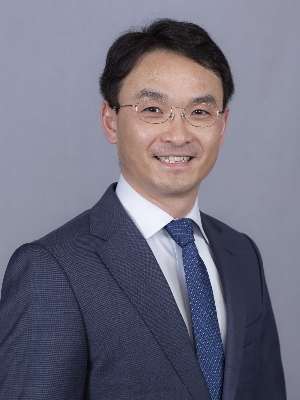
Chaoyi (Charles) Chang

Assistant Professor of Environment and Urban Studies, Duke Kunshan University

His research interest hinges on the intersections between computation and design. With the rise of smartphones and other internet-connected devices, design choices become increasingly data-driven and dependent on information’s credibility in the construction of the human habitat. Chang’s research focuses on human habitat’s design, environmental impact, and information’s credibility in the big-data age. His teaching interests at Duke Kunshan include computational social science, digital humanities, and urban informatics.
He has published several articles in peer-reviewed journals and at conferences, including on dig data and machine learning in natural science, social science, and the humanities.
Chang has a B.A. in geography from Beijing Normal University, and a M.Sc. and Ph.D. in environmental studies from the University of Wisconsin, Madison. Before joining Duke Kunshan, he served as the 2016-2017 postdoctoral fellow in Chinese studies at Stanford University and the 2018-2019 postdoctoral associate in Asian studies at Yale University.

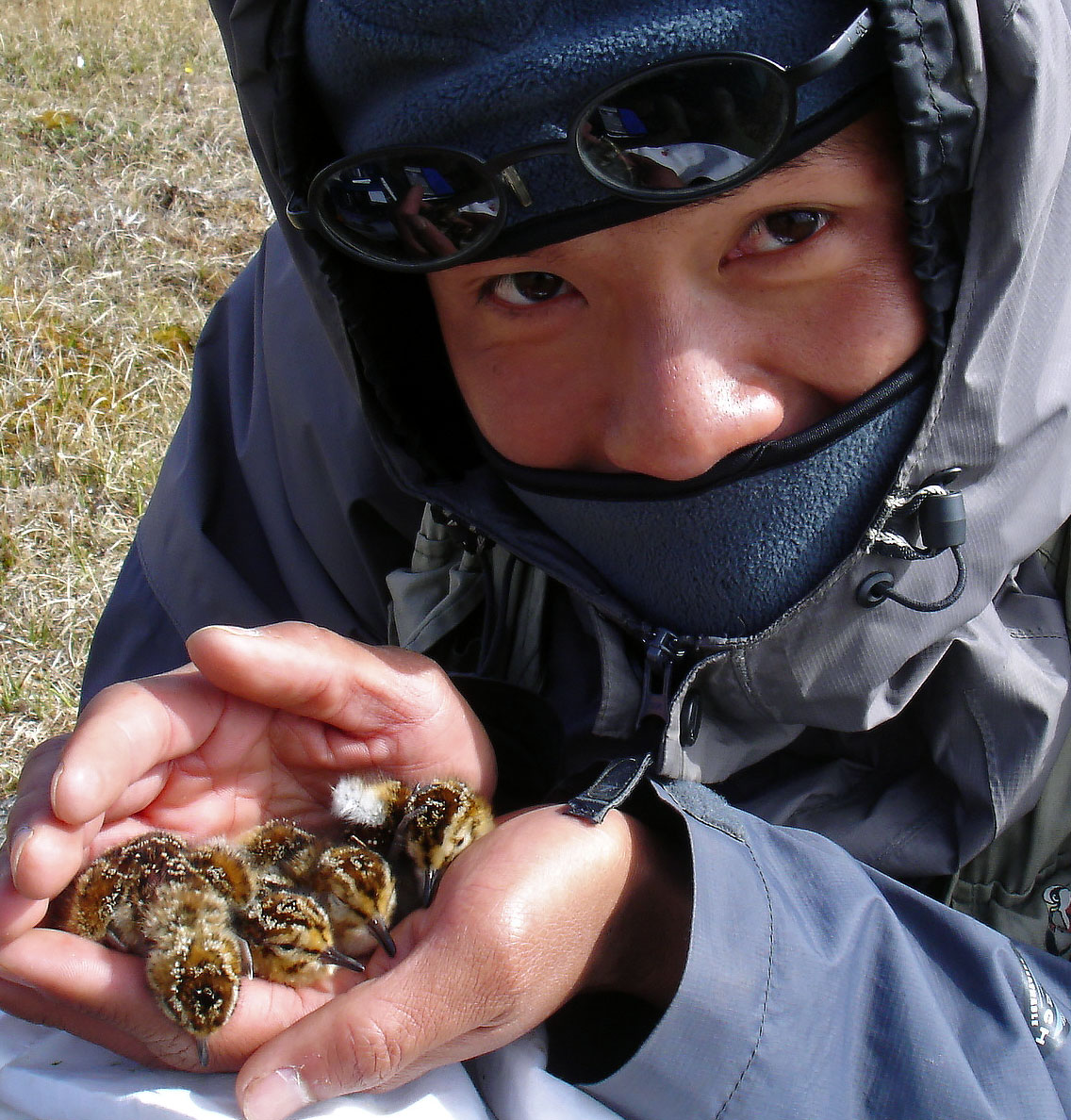
Choi, Chi-Yeung (Jimmy) (he/him)

Assistant Professor of Environmental Science, Duke Kunshan University

Jimmy is an applied ecologist with expertise in animal ecology, conservation biology, wetland ecology and environmental management. He studies the relationship between animals and their environment. Current study systems include the ecology of migratory birds, with a focus on their foraging and movement ecology within and between coastal intertidal wetlands. This requires extensive fieldwork in many places ranging from Alaska, East Asia to Australia and New Zealand. The work has led to investigations of diet, habitat use, local movement, population dynamics, migration phenology and strategies, often using the latest technology in wildlife tracking and remote sensing. Based on the findings from these studies, long-term habitat quality monitoring, protected area boundary adjustment and integrated natural and artificial management are proposed to improve the habitats for migratory waterbirds. These efforts do not only contribute to nature conservation, but also to the restoration of wetland ecosystems on which humans depend. His latest research investigates the impact of renewable energy infrastructure on migratory birds and the ways to mitigate those impacts.

Jimmy has published in leading conservation journals, including Conservation Letters, Conservation Biology, and Biological Conservation. He has served as an editorial board member for Avian Research and Stilt, and an associate editor for Journal of Applied Ecology. He was appointed as a specialist by the Ministry of Ecology and Environment of the People’s Republic of China, Shenzhen Mangrove Wetlands Conservation Foundation, and Zhilan Foundation.

Jimmy has a B.S. (1st class honours) in Biological ecology from the University of New South Wales (Australia), an M.Sc in Ecology from Fudan University (China) and a Ph.D. in Ecology from Massey University (New Zealand). Before joining Duke Kunshan, he worked at the University of Queensland (postdoctoral research fellow), Deakin University (associate research fellow) and Southern University of Science and Technology (research assistant professor).

Chuanhui Gu

Associate Professor of Environmental Science, Duke Kunshan University Interim Director of Graduate Studies, International Master of Environmental Policy Program (iMEP), Duke Kunshan University

His research focus is chemical transport and fate in a multimedia environment. He is especially interested in nutrient retention in soil, groundwater, river and lake by the coupled hydrological and biogeochemical processes. His teaching interests at Duke Kunshan include environmental science, biogeochemistry, Earth science, and ecology.
He has published articles in prestigious journals and served as UNC representative for the Consortium of Universities for the Advancement of Hydrologic Science. He has also served on proposal review panels for the U.S. National Science Foundation. He is a recipient of Wachovia Environmental Award and Excellence in Refereeing from the American Geophysical Union.
Gu has a B.Sc. in environmental science from Nanjing University, an M.Sc. in environmental science from Sun Yat-sen University and a Ph.D. from the University of Virginia. He served as a postdoc researcher at the University of California, Berkeley. Before joining Duke Kunshan, he held faculty positions at Appalachian State University and Beijing Normal University.

Claudia Nisa

Assistant Professor of Behavioral Science, Duke Kunshan University

Claudia’s scientific agenda is centered around identifying what works to helps us lead healthier and more sustainable lives. Her research program focuses on the effectiveness of behavioral interventions to promote healthy and sustainable living – eg. how to best promote energy savings, reduce food waste, increase cancer screening or blood donation. She translates behavioral science into practice to tackle these critical challenges, and to respond to calls for better informed policies. In order to do so, she uses a variety of methodological tools including (1) lab studies testing small-scale psychologically-driven interventions; (2) large field experiments testing how to scale-up behavioral interventions in natural settings; and (3) evidence-based policy evaluation, based on meta-analyses of randomized controlled trials and quasi-experiments. Claudia has a BSc degree in Social and Organizational Psychology and a MSc in Economics and Social Policy from the University of Lisbon, Portugal. She also holds a MSc in Decision Sciences and a PhD in Social Policy, both from the London School of Economics and Political Science (LSE). She has served a postdoctoral researcher to ETH-Zurich in Singapore, and New York University in Abu Dhabi.

Coraline Goron

Assistant Professor of Environmental Policy, Duke Kunshan University

Dr. Coraline Goron obtained a double Ph.D. degree in Political Science from the University of Warwick and the Université Libre de Bruxelles under the aegis of the Erasmus Mundus GEM program. Before joining DKU, Coraline was a postdoctoral research fellow funded by the Wiener-Anspach Foundation at the University of Oxford China Centre.
Her research centers on environmental politics with a specific focus on China, both domestically and as an increasingly influential actor in global environmental governance. Her Ph.D. thesis received the Marthe Engelborghs-Bertels Prize for Sinology in May 2018. It traced the transformation of China’s power stem and environmental protection and analyzed their combined outcomes on the implementation of decarbonization policies. It draws on a vast corpus of Chinese-language documentation, as well as interviews with Chinese industry experts and policy stakeholders.

Ding Ma

Assistant professor of atmospheric and environmental science, Duke Kunshan University

His broad research interests are climate variability, weather extremes, and atmospheric dynamics. The essential motivation for his research is to better understand and predict the behavior of the climate system, which has led to his focus on the variability of the large-scale atmospheric circulation and the related weather extremes. His teaching interests at Duke Kunshan include environmental science and physics. He has had papers published in leading academic journals including Nature Communications, Journal of Climate, and Journal of Atmospheric Sciences. He is a member of American Geophysical Union and American Meteorological Society. Ma has a B.A. in physics for Peking University and a Ph.D. in climate dynamics from Harvard University. After receiving his Ph.D., he joined Columbia University as an Earth Institute Fellow.

Eunyu Kim

Assistant Professor of Biology, Duke Kunshan University

Eunyu Kim\’s primary research interest lies in understanding how plants cope with environmental stresses to enhance crop resilience and improve agricultural productivity. Her work primarily focuses on regulating stress-responsive mechanisms and their applications in model plant systems such as Arabidopsis and rice, as well as crops like hot pepper and tomato.

Her research has been published in over 40 high-impact journals and has led to multiple international patents, including a U.S. patent. She has secured national and provincial research grants as a principal investigator, with funding from the National Natural Science Foundation of China (NSFC) and the National Research Foundation of Korea (NRF).

Kim earned her Ph.D. from Yonsei University in South Korea. After a brief postdoctoral training period, she served as a research professor at Yonsei University. Before joining Duke Kunshan University, she was a research associate professor at the Center for Excellence in Molecular Plant Sciences (CEMPS) at the Chinese Academy of Sciences (CAS) in Shanghai.

Huansheng Cao

Assistant Professor of Environmental Science, Duke Kunshan University

His research has three foci: (1) harmful algal blooms (HABs), (2) microbiomics, and (3) molecular systems biology. The HAB research aims to identify the functional genomic repertoire that drive bloom formation, and the interaction between functional repertoire and eutrophic conditions through multi-omics integration. Microbiomics aims to the understand the interactions among different group of microbial taxa in microbiomes of aquatic and soil environments, and the underlies genomic functional mechanisms. His current work centers on cyanobacterial bloom microbiomes and human gut microbiome (for example, gut microbiome transplantation and cancer microbiome). Molecular systems biology focuses on the structural decomposition and metabolic networks and development of integration of multi-omics data; this work will reveal how cellular life operates on a systems scale and provide the essential computational tools for analyzing multi-omics data.
He has authored over 40 research articles, book chapters, and reviews, and has had work published in the journal Briefings in Bioinformatics. One database of the common ecophysiology of cyanobacterial blooms has been developed for use in the water-bloom research community (http://47.92.225.177/CGDatabase).
Cao has a B.Sc. in biochemistry from Yantai University and a Ph.D. in cell and molecular biology from Fordham University. Before joining Duke Kunshan, he was an assistant research professor at Arizona State University and completed training in bioinformatics at Northern Illinois University and computational systems biology at the University of Georgia.

James Miller

Professor of Humanities, Duke Kunshan University Co-Director of Humanities Research Center (HRC), Duke Kunshan University

His research focuses on the intersection of religion and ecology in China. He has published six books including “China’s Green Religion: Daoism and the Quest for a Sustainable Future” (Columbia, 2017). He is noted worldwide as an expert in Daoism, China’s indigenous religion. His teaching interests at Duke Kunshan include ethics and leadership, global China studies, environmental science, U.S. studies, religious studies and philosophy.
Miller has a B.A. (honors) in Chinese studies from Durham University, a B.A. (honors) and M.A. in theological and religious studies from Cambridge University, and a Ph.D. in religious and theological studies from Boston University. Before joining Duke Kunshan, he was director of the School of Religion at Queen’s University, Canada.

Jingbo Cui

Associate Professor of Applied Economics at the Division of Social Sciences, Co-Director at the Environmental Research Center, and Director of Graduate Studies for the International Master of Environmental Policy (iMEP) program at Duke Kunshan University; Adjunct Professor and Ph.D. Supervisor at the School of Economics and Management at Wuhan University

Dr. Jingbo Cui is a tenured Associate Professor of Applied Economics at the Division of Social Sciences, Co-Director at the Environmental Research Center, and Director of Graduate Studies for the International Master of Environmental Policy (iMEP) program at Duke Kunshan University, Adjunct Professor and Ph.D. Supervisor at the School of Economics and Management at Wuhan University.

Dr. Cui’s research centers on Environmental Economics, the Economics of Climate Innovation, and the Economics of Climate Change. His recent research has delved into intriguing topics such as the drivers and obstacles to low-carbon innovation, the economic and environmental impacts of China’s climate policy, and the identification and quantification of financial consequences of climate risks in China. His scholarly contributions have been published in top-tier academic journals, including Proceedings of the National Academy of Sciences (PNAS), American Economic Review Papers and ProceedingsJournal of Environmental Economics and ManagementAmerican Journal of Agricultural Economics, Environmental and Resource Economics, Journal of Regional Science, The World Economy, and Energy Economics. He has been serving as an Associate Editor for Environment and Development Economics and a member of the editorial council at JAERE and JEEM, which are top journals in the field of environmental economics. His research projects on China’s Climate Policy and Low-Carbon Innovation have been funded by the National Natural Science Foundation of China (General Program, Junior Program, and Urgent Program). His research and perspectives on climate policy and energy transition have been covered by Nature Climate Change Highlight reports and world-leading media, such as Financial Times, Nature News in Focus, BBC Worklife, South China Morning Post, and others.

Before the current position at Duke Kunshan University, he was a Chu-Tian Junior Scholar from the Department of Education in Hubei Province, an Associate Professor at the School of Economics and Management at Wuhan University, a Post-doctoral Research Associate, and a visiting scholar at Iowa State University. He holds a Ph.D. in economics from Iowa State University, an M.S. in economics from Wuhan University, and a B.S. in economics and mathematics from Huazhong University of Science and Technology, China.

Joohyun Lee

Assistant professor of biology, Duke Kunshan University

Epigenetic regulation involves modifying gene expression without altering the DNA sequence, and these changes can be inherited across cells and/or generations. However, the lethality of epigenetic mutants in animal models has limited research into the mechanisms underlying the maintenance of epigenetic modifications in response to environmental signals. To address the questions, the Lee lab is using Arabidopsis as a model plant, which is tolerant of epigenetic mutations. Lee lab uses various molecular and bioinformatic analysis, including large-scale transcriptome, small RNA seq, DNA methylome, and chromatin modification (ChIP seq) analysis, to investigate the mechanisms underlying epigenetic regulation, which are highly conserved in higher eukaryotes.

Joseph Giacomelli

Assistant professor of history, Duke Kunshan University

His research examines topics in environmental history and the history of science. He is especially interested in climate history and is completing a project on climate change debates in the late 19th-century United States. At Duke Kunshan, his teaching interests include U.S. history, environmental humanities, science and technology studies, and geography.
He has published articles in Environment and History, and History of Meteorology.
Giacomelli has a B.A. in history and geography from Middlebury College and an M.A. and Ph.D. in history from Cornell University. Before joining Duke Kunshan, he was a lecturer in the writing program at New York University Shanghai.

Ka Leung Lam

Assistant professor of environmental science, Duke Kunshan University

His research focus is at the intersection of environmental management, environmental engineering, and sustainability science. He is especially interested in how we can sustainably transition our approaches to water management (e.g., reducing greenhouse gas emissions, enabling resource recovery, improving water security). His teaching interests at Duke Kunshan include water, energy and sustainability.
Lam has a B.Eng. in chemical and environmental engineering (with a minor in liberal studies), an M.Phil. in chemical and biomolecular engineering (energy technology concentration) from the Hong Kong University of Science and Technology, and a Ph.D. from the University of Queensland. Before joining Duke Kunshan, he was a Marie Skłodowska-Curie Fellow at Delft University of Technology (2018-20), and a postdoctoral fellow at the University of Queensland (2017-18).

Kwang Leong Choy

Professor of Materials Science, Duke Kunshan University Co-director, Environmental Research Center, Duke Kunshan University

Kwang Leong Choy’s research focuses on the development of high performance nanostructured and nanocomposite materials based on superthin/thin/thick films using novel and advanced materials synthesis methods for solar cells, energy storage, optoelectronics, environment, engineering, healthcare and biomedical applications. Her pioneering research on the innovative, eco-friendly and cost effective non-vacuum Chemical Vapour Deposition platform technology has led to patents, technology translation and exploitation by industrial companies as well as recognition awards, including the Kroll Medal & Prize (2020) and Grunfeld Memorial Award and Medal (1999) by The Institute of Materials, Minerals and Mining (IoM3). She has led and participated in many national, European and international research projects with a large consortium of academia and industries.

She has authored four books, “Chemical Vapour Deposition (CVD): Advances, Technology and Applications” (CRC Press, 2019), “Biomaterials in Clinical Practice: Advances in Clinical Research and Medical Devices” (Springer, 2017), “Commercialization of Nanotechnologies–A Case Study Approach” (Springer, 2017) and “Innovative and Cost-effective Materials Processing Methods” (Imperial College Press, London 2002). She has over 300 publications to her name, including papers published in leading academic journals such as Progress in Materials Science, Advanced Materials and ACS Nano. Her teaching interests at Duke Kunshan include materials science, materials synthesis and characterization, nanoscale functional materials and courses that connect materials to energy, environmental science and global health sectors.

Choy has a D.Phil. in materials science from the University of Oxford and a D.Sc. in materials from the University of Nottingham. Before joining Duke Kunshan, she was the founding director of the Institute for Materials Discovery and professor for materials discovery at University College London (UCL). She was also course director of the postgraduate taught programme (MSc) in advanced materials science at UCL.

She has served as a chairperson in materials and research director of the University Innovation Centre at the University of Nottingham, and as a reader at Imperial College London. Choy also held the Violette and Glasstone Research Fellowship at the University of Oxford. She has received teaching awards from the University of Nottingham and University College London. She has been awarded Fellow of The Institute of Materials, Minerals and Mining (FIMMM) and Fellow of the Royal Society of Chemistry (FRSC) in 2007 and 2010, respectively.

Ming-Chun Huang

Associate professor of data and computational science, Duke Kunshan University

Huang has a B.S (2007) in Electrical Engineering at Tsing Hua University, Taiwan, an M.S. (2010) in Electrical Engineering at the University of Southern California, and a Ph.D. (2014) in Computer Science at the University of California, Los Angeles. Prior to joining Duke Kunshan University in 2021, he was an Associate Professor at Case Western Reserve University (2014-2021). His research focus is the intersection among Active Health, Internet-of-Things, Machine Learning and Informatics, Motion and Physiological Signal Sensing. He had over 15 years of research experience conducting interdisciplinary scientific projects with researchers from distinct areas (e.g., Biomedical Engineering, Medicine, and Nursing). He had successfully administered past funded projects and productively published over 90 peer-reviewed publications, 6 invention patents and software copyrights, and won 7 best paper awards/runner-up. His research has been reported in hundreds of high-impact media outlets. For the nature of richness and high impact of the research topics he was involved in, his research results in a plethora of new knowledge in aspects ranging from innovative IoT sensing technology, closed-loop AI analytics methodology, optimized clinical decision-making, and just-in-time patient risk assessment. Current Research Interests From Digital Factory to Digital Health: Digital Twin Platform Construction for Brain Science Research (PI: Huang) Critical Techniques for Personalized and Precise Medicine: Devices, Systems, and Big Data Analytics Platforms (PI: Huang) Early Diagnosis of Parkinson\’s Disease Powered by Data Harnessing, AI, and Transfer Learning (PI: Huang) Development and Pilot Testing of a Just-in-Time Mobile Smoking Cessation Intervention for Persons Living with HIV (MPI: Huang, Schnall)

Robin Rodd

Associate Professor of Anthropology, Duke Kunshan University

His current research is at the interface of critical theory, Latin American studies and anthropology. His work explores political memory and the symbolic bases of citizenship, democracy and dictatorship in Latin America. He has also done long-term fieldwork in lowland Amazonia focusing on indigenous notions of mind, knowledge, and health. At Duke Kunshan, his teaching interests span medical and political anthropology, Latin American cultures and politics, migration and citizenship studies, and critical theory. Rodd has edited two special journal issues – International Journal of Politics, Culture and Society and Journal of Iberian and Latin American Research – and published book chapters in English, Spanish and French. His articles has appeared in anthropology and politics journals including Critique of Anthropology, Anthropology of Consciousness, Journal of Psychoactive Drugs, Journal of Latin American Religion, Democratic Theory, and Citizenship Studies. He served as the secretary of the Association of Iberian and Latin American Studies of Australasia (AILASA) from 2016 to 2020, and has twice co-convened the Australian Anthropological Society annual conference. Rodd has a B.A. (Hons) in history from the University of Western Australia, a B.A. in Spanish from Edith Cowan University, and a Ph.D. with distinction in socio-cultural anthropology from the University of Western Australia. Before joining Duke Kunshan, Rodd taught anthropology at James Cook University, Australia.

Tan Zhang

Assistant Professor of Material Science, Duke Kunshan University

His research focus is the intersection of polymer, colloid, and nanoscience. He is especially interested in sustainable low-carbon solutions for industry, including but not limited to energy-saving catalysts, recyclable materials, plastic waste upcycling, and bio-based degradable materials. He is also interested in developing high-performance flexible electronics. He has had papers published in leading academic journals including Annual Review of Materials Research, Nanoscale, Carbon, ChemSusChem, Journal of Physical Chemistry.

His teaching interest at Duke Kunshan University includes polymer science, material science, and fundamental chemistry.

Tan has a B.Eng. in polymer material and an M.Eng. in material processing from Sichuan University. He holds a Ph.D. in chemistry from Oklahoma State University and completed his postdoctoral training at Texas A&M University. Before joining Duke Kunshan University, he was a research scientist at Texas A&M University and University of Delaware.

Weiwei Shi

Assistant Professor of Material Science, Duke Kunshan University

Her research focus is the bio-inspired materials with advanced functions and performance. She is especially interested in sustainable applications, i.e. water harvesting, synthetic trees, special wettability. Her teaching interests at Duke Kunshan include bio-inspired smart materials, analytic chemistry, and inorganic chemistry.

She has had papers published in leading academic journals including ACS Applied Materials & Interfaces, Advanced Materials Interfaces, Advanced Materials, and ACS Nano. Her research has attracted much attention, from CNN, Boston Globe, Washington Post, etc., and was highlighted by the U.S. Department of Energy’s Office of Science and Oak Ridge National Lab. Her invention was a finalist in the U.S. Collegiate Inventors Competition and was fully patented. In addition, she is a topic editor for Micromachines and a peer reviewer for the Journal of Vibroengineering, Journal of Measurements in Engineering, Journal of Thermal Science and Engineering Applications, Micromachines, Materials, Sustainability, and other journals.

Shi has a B.Sc. and an M.Eng. in applied chemistry from Beihang University, Beijing, and a Ph.D. in engineering mechanics from Virginia Tech.

William Winner

Professor of Environmental Science, Duke Kunshan University

His research focus is in plant physiological and ecological responses to environmental change. His teaching interests at Duke Kunshan include integrated science, biology and environmental science, especially lifecycle analysis and systems thinking.
He has directed environmental science research centers and academic programs at Virginia Polytechnic Institute and State University, Oregon State University and North Carolina State University. He also worked in research administration at the U.S. National Science Foundation.
Winner has B.A. and M.A. teaching degrees in biology from the Lewis and Clark College, Portland, an M.A. in biology from the University of South Dakota, and a Ph.D. in biology from the University of Calgary, Canada.

Wumeng He

Assistant Professor of Environmental Economics, Duke Kunshan University

He’s research explores the interactions between human behaviors, government policy and the environment in the context of developing countries, with special interests in land use, conservation, natural resource management and rural development. Trained as an economist with a strong interdisciplinary background, he is particularly interested in incorporating economic thinking with non-economic methodology. His teaching interests at Duke Kunshan University include environmental and resource economics, environmental policy analysis and the statistics of program evaluation.

He has a B.A. in environmental studies from Brown University, an M.A. in economics from New York University and a Ph.D. in environmental policy from Duke University. Before joining Duke Kunshan, he was assistant professor at Wuhan University.

Xiao Wang

Assistant Professor of Economics, Duke Kunshan University

Her research focuses on environmental economic and health economics. She studies questions related to environmental regulations, firm behavior, and health impacts of pollution. Her current projects analyze pollution exposure inequity, location decisions of firms and families in response to environmental regulations and public pressure, and effect of environmental regulation on various health outcomes. She has several papers published in leading academic journals including the Review of Economics and StatisticsJournal Environmental Economics and Management, the Review of Environmental Economics and Policy, and Journal of the Association of Environmental and Resource Economics.

Xiao holds a B.A. in accounting from Beijing University of Posts and Telecommunications, an M.A in Economics from North Carolina State University, and receives her Ph.D. in Agricultural and Applied Economics from the University of Illinois at Urbana-Champaign in 2019. She worked in Heinz College at Carnegie Mellon University as a postdoctoral researcher from 2019 to 2021. Before joining DKU, she has worked as an assistant professor of economic at Hunan University.

Xiaochen Zhang

Assistant Professor of Applied Economics, Duke Kunshan University

His primary research interests are in regional and urban economics. His current research focuses on a wide range of topics in applied economics, such as policy evaluation and the impacts of population aging on local labor markets. Zhang has a bachelor’s degree in economics from Shandong University, an M.Sc. in population, resource and environmental economics from Fudan University and a Ph.D. from Ohio State University. He has also obtained a Graduate Interdisciplinary Specialization in Demography. Before joining Duke Kunshan, he had taught a wide range of undergraduate courses, including on principles of economics, microeconomics, and population and development.

Yanran Yang

Assistant Professor of Sustainability Studies, Duke Kunshan University

Yang’s research applies behavioral decision science to characterizing and communicating scientific results to inform risk-related decisions. More recently, she has been working on risk communication to better inform public health decisions, while her previous research focused on risk communication on advanced energy technologies. Her teaching interests at Duke Kunshan include health communication and decision making.

She received her Ph.D. degree (2017-21) from the Department of Engineering and Public Policy at Carnegie Mellon University, where she also served as a postdoctoral research associate (2022). She received her M.S. in nuclear engineering and B.A. in English literature and journalism from Tsinghua University.

Yujia Zhang

Assistant Professor of Environmental Science, Duke Kunshan University

Dr. Zhang is an interdisciplinary geospatial scientist with expertise in spatial data science and digital city tools. Her research centers on urban sustainability, climate change adaptation, and public health. She particularly focuses on the impacts of urban 3D morphology and canopy changes on climate-smart and resilient urban planning, and health impact assessments to improve environmental justice and urban greening efforts. At Duke Kunshan, her teaching interests encompass applied environmental science and policy, data analytics, and geographical information science. She has been honored with the Gilbert F. White Environment and Society Fellowship and her work has been published in top-ranking journals including “Landscape and Urban Planning,” “Environmental Research Letters,” and “Landscape Ecology.” Dr. Zhang holds an M.S. in GIS for Development and Environment from Clark University and a Ph.D. in Geography from Arizona State University. Before joining Duke Kunshan, she was a postdoctoral researcher at the University of California, Riverside, and served as a visiting assistant professor of environmental studies at Oberlin College, Ohio.

Zhaojin Zeng

Assistant Professor of History, Duke Kunshan University

His expertise lies in Chinese economic and business history; the global history of capitalism, technology, and industry; quantitative data analysis; and digital humanities. His book project, “Engineering Modern China: Industrial Factories and the Transformation of the Chinese Economy in the Long Twentieth Century,” was the first to analyze the remarkable creation of the Chinese factory economy from the late Qing to post-Mao era.
He is the founder of the Chinese Factory Project, a digital humanities initiative that collects and publicizes archival materials and quantitative datasets on China’s industrial development, technological change, and resource utilization. He is also working on two new book projects: one on Sino-U.S. economic and trade relations in the 1980s, and another on a global history of China’s economic and social transitions in the reform era.
His work has appeared in high-impact academic journals such as World Development, Pacific Affairs, and Entreprises et Histoire, and his research has received funding from Harvard University, Harvard Business School, the D. Kim Foundation for Science and Technology, the Association for Asian Studies, and Business History Conference, among others.
Zeng has M.Phil. in social science from the Hong Kong University of Science and Technology and a Ph.D. in history from the University of Texas, Austin. Before joining Duke Kunshan, he was visiting assistant professor of East Asian History at the University of Pittsburgh.

Zuchuan Li

Assistant Professor of Data and Environmental Sciences, Duke Kunshan University

Zuchuan’s research focus lies at the intersection of data science, statistics, machine learning and environmental science. His research has been published in leading academic journals including Nature, Nature Communications and Global Biogeochemical Cycles. He has been awarded the NASA Earth and space science fellowship and the WHOI postdoctoral scholarship. His teaching interests include data science, statistics, machine learning and environmental science. He has a B.Sc. from Wuhan University and a Ph.D. from Duke University.

Mike Bergin

Professor, School of Civil and Environmental Engineering, Duke University

My general research focus is on the influence of air pollution on both climate and human health. My specific interest is particulate matter (PM), and I have done a wide range of studies on the emission, formation, deposition and impacts of PM. I am particularly interested in how PM impacts climate by modifying the radiation balance of the atmosphere and I have done studies in both pristine regions of the world (Greenland and the Himalaya), as well as hazy regions (the Southeastern US, China, and India). More recently I have been studying the influence of PM on human health with emphasis on determining the relative contributions of sources (such as biomass burning and vehicular emissions) to acute health impacts. I am also involved in developing and deploying the next generation of air quality sensors to inform citizens on the quality of the air they are breathing so that they can make informed decisions to improve their air. My vision involves combining a multidisciplinary, multicultural approach to research and education that brings together researchers from around the world to collectively work together to make the air cleaner.

Marc Deshusses

Professor of Civil and Environmental Engineering and Global Health, Director of the Energy Engineering Degree Program in the Pratt School of Engineering, Duke University Professor of Civil and Environmental Engineering and Global Health, Duke Kunshan University

Dr. Deshusses’ research interests are related to the design, analysis and application of remediation, waste to energy and decentralized sanitation processes. A current focus is on novel reactors and processes for air, water and solid wastes treatment. Applications include treatment of odors and air toxics, biogas production, and novel sanitation and treatment technologies. Research interests include bioenergy and waste to energy processes, biofilms, biomolecular techniques for monitoring microorganisms in complex environments, indoor air quality, advanced oxidation processes, nanosensors, and mathematical modeling of environmental processes.

Jackson Ewing

Senior fellow at Duke University’s Nicholas Institute of Environmental Policy Solutions Adjunct associate professor at the Sanford School of Public Policy iMEP faculty lead

Jackson Ewing holds a joint appointment as a senior fellow at Duke University’s Nicholas Institute of Environmental Policy Solutions and an adjunct associate professor at the Sanford School of Public Policy. He works closely with the Duke Kunshan University Environmental Research Center and International Masters of Environmental Policy programs to build policy research collaboration across Duke platforms in the United States and China.

Prior to joining Duke, Ewing was director of Asian Sustainability at the Asia Society Policy Institute in New York, where he led projects on Asian carbon market cooperation and sustainable resource development in the ASEAN Economic Community. He previously served as a MacArthur Fellow and head of the Environment, Climate Change and Food Security Program at Singapore’s S. Rajaratnam School of International Studies, and has worked throughout Asia with actors in government, the private sector, civil society, and international organizations.

Ewing publishes widely through a range of mediums and is a regular contributor to radio, television and print media. He holds a doctorate in environmental security and master’s degree in international relations from Australia’s Bond University, and a bachelor’s degree in political science from the College of Charleston.

Patrick Halpin

Professor of Marine Geospatial Ecology, Nicholas School of the Environment, Duke University Professor of Marine Geospatial Ecology, Duke Kunshan University

Patrick Halpin is a Professor of Marine Geospatial Ecology in the Marine Science and Conservation Division of the Nicholas School of the Environment, Duke University. Prof. Halpin leads the Marine Geospatial Ecology Lab with laboratory facilities located at the main campus of Duke University as well as the Duke University Marine Lab. He received his Ph.D. in Environmental Sciences from the University of Virginia in 1995. Prof. Halpin’s research focuses on marine geospatial analysis, ecological applications of geographic information systems and remote sensing; marine conservation and ecosystem-based management. Prof. Halpin sits on a number of international scientific and conservation program steering committees including the Ocean Biogeographic Information System (OBIS), the Global Oceans Biodiversity Initiative (GOBI), the Marine Working Group for the Group on Earth Observations – Biodiversity Observing Networks (GEO-BON) and the Google Oceans Advisory Council.

John Vandenberg

Director, Research Triangle Park Division, National Center for Environmental Assessment, U.S. Environmental Protection Agency Adjunct Professor in the Division of Environmental Sciences and Policy, Duke University Adjunct Professor in the Environmental Program, Duke Kunshan University

Dr. Vandenberg served as Director of the Health and Environmental Effects Assessment Park Division of the Center for Public Health and Environmental Assessment, at the US Environmental Protection Agency (retired, 2021). He has over 35 years of experience in environmental health risk assessment and was responsible for leadership, planning and oversight of EPA’s Integrated Science Assessments for the major (criteria) air pollutants and Integrated Risk Information System (IRIS) assessments for high priority hazardous air pollutants, and for development of new risk assessment methodologies. He has testified to committees of the U.S. House of Representatives and the U.S. Senate on the health and environmental effects of air pollutants and served as National Program Director of EPA’s Human Health Risk Assessment program and Particulate Matter Research program. Dr. Vandenberg has been a consultant to the World Health Organization, represented EPA in scientific meetings in Europe, South America, Asia and the Middle East, and has served on numerous university and State scientific advisory committees. He was elected Fellow of the Society for Risk Analysis and he is recipient of EPA’s Statesmanship and Distinguished Service Awards.

Avner Vengosh

Professor of Geochemistry and Water Quality, Nicholas School of the Environment, Duke University

Vengosh is Distinguished Professor of Environmental Quality. His work has led to the development of forensic tracers that can identify the isotopic “fingerprint” of a contaminant and trace it to its natural or human source. Much of his work focuses on the water-quality and human health impacts associated with contaminants from the extraction and combustion of fossil fuels.

Erika Weinthal

Lee Hill Snowdon Professor of Environmental Policy, Duke University Professor of Environmental Policy, Duke Kunshan University

Dr. Weinthal specializes in global environmental politics and environmental security with a particular emphasis on water and energy. Current areas of research include (1) global environmental politics and governance, (2) environmental conflict and peacebuilding, (3) the political economy of the resource curse, and (4) climate change adaptation. Dr. Weinthal’s research spans multiple geographic regions, including the Soviet successor states, the Middle East, South Asia, East Africa, and North America. Dr. Weinthal is author of State Making and Environmental Cooperation: Linking Domestic Politics and International Politics in Central Asia (MIT Press 2002), which received the 2003 Chadwick Alger Prize and the 2003 Lynton Keith Caldwell Prize. She has co-authored Oil is not a Curse (Cambridge University Press 2010) and co-edited Water and Post-Conflict Peacebuilding (Earthscan Press, 2014) and The Oxford Handbook on Water Politics and Policy (Oxford University Press 2018). She is a member of the UNEP Expert Group on Conflict and Peacebuilding and a co-editor of Global Environmental Politics. In 2017 she was a recipient of the Women Peacebuilders for Water Award under the auspices of “Fondazione Milano per Expo 2015”.

Jonathan Wiener

William R. and Thomas L. Perkins Professor of Law, Professor of Environmental Policy, Professor of Public Policy, Duke University Professor of Environmental Policy, Duke Kunshan University

Jonathan B. Wiener is the William R. and Thomas L. Perkins Professor of Law at Duke Law School, Professor of Environmental Policy at the Nicholas School of the Environment, and Professor of Public Policy at the Sanford School of Public Policy, at Duke University. He is the Co-Director of the Duke Center on Risk in the Science & Society Initiative.

He served as President of the Society for Risk Analysis (SRA) in 2008, and he co-chaired the SRA’s World Congress on Risk in Sydney Australia in 2012. In 2003 he received SRA’s Chauncey Starr Young Risk Analyst Award, and in 2014 he received SRA’s Richard J. Burk Outstanding Service Award. From 2015-19 he co-directed the Rethinking Regulation program at Duke, and from 2007-15 he directed the JD-LLM Program in International and Comparative Law at Duke Law School. From 2000-05 he was the founding Faculty Director of the Duke Center for Environmental Solutions, which was then expanded into the Nicholas Institute for Environmental Policy Solutions, for which he served as chair of the faculty advisory committee from 2007-10.

Jim Zhang

Professor of Global and Environmental Health, Nicholas School of the Environment, and Research Professor of Global Health, Duke Global Health Institute, Duke University Professor of Global and Environmental Health, Duke Kunshan University

Jim Zhang is Professor of Global and Environmental Health at Duke University and Duke Kunshan University in China. He directs the Exposure Biology and Chemistry Laboratory. He also directs the Regional Ozone Sino-US Collaborative Research Center. Professor Zhang’s main research interests include exposure science and environmental health sciences. Dr. Zhang authored more than 180 peer-reviewed articles, including those published in top biomedical journals (NJEM, the Lancet, JAMA) and environmental sciences journals. His early work on characterizing sources of non-methane greenhouse gases made him one of the officially recognized contributors to the 2007 Nobel Peace Prize awarded to IPCC. He is the 2012 recipient of the Jerome Wesolowski Award, the highest honor of the International Society of Exposure Science. In 2013, Professor Zhang was named an AAAS Fellow.

Huanyu Guo

Research Fellow in Green Finance

Huanyu Guo is the Research Fellow in Green Finance, reporting to Prof. Junjie Zhang, director of the Initiative for Sustainable Investment. Her main responsibilities include tracking empirical research in ESG, climate finance, and sustainability, fully participating in research project development and implementation.

Te Lai

Research Specialist in Environmental Economics

Shen Zhang is a Research Specialist in Environmental Economics, reporting to Prof. Jingbo Cui. His main job responsibilities are assisting with various research tasks related to Energy Transition Innovations, including literature review, data gathering and analysis, research writing, and research communication support.

Hanzhe Lin

Research Specialist in Conservation Biology

Hanze Lin is the Research Specialist in Conservation Biology, reporting to Prof. Binbin Li. His main job responsibilities are working as a research project manager, including complete field surveys, data analysis, report writing and fund management, and also working as a research coordinator, mainly communicate with research partners, including nature reserves, NGO, etc.

Wangwang Qiu

Research Fellow in Environmental Science

Wangwang Qiu is Research Fellow in Environmental Science, reporting to Prof. Chi-Yeung Choi. Her main job responsibilities involve designing, conducting and publishing novel research in the area of migratory species conservation ecology.

Siyu Sun

Research Specialist in Conservation Biology

Siyu (Suri) is the Research Specialist in Conservation Biology in the Biodiversity and Sustainability Lab, reporting to Associate Professor of Environmental Science, Dr. Binbin Li. Her main responsibilities include coordinating and managing research projects, conducting field surveys, performing spatial and statistical data analyses, writing reports, managing fundraising activities, and communicating with research partners.

Fei Xie

Research Specialist in Environmental Economics

Fei Xie is the Research Specialist in Environmental Economics, in the Initiative for Sustainable Investment (ISI). His main job responsibilities are keeping track of the research and practice in the fields of environment, energy, climate change, and green finance and fully participating in research project development and implementation, as well as assisting the team in communicating and cooperating with governments, research institutions, enterprises, financial institutions, and other partners.

Xi Yang

Research Specialist in Conservation Biology

Xi Yang is the Research Specialist in Conservation Biology reporting to Prof. Binbin Li, Associate Professor of Environmental Science. Her main job responsibilities include complete field surveys, data analysis, report writing, and fund management; closely cooperate with member organizations to jointly organize large-scale national bird collision citizen science surveys twice a year.

Yiqi Yuan

Research Specialist in Environmental Policy

Yiqi Yuan\’s main job responsibilities are working on the project ‘China’s Environmental Policy Database’, which involves literature and data gathering, policy analysis, and research communication support.

Yi Yu

Program Coordinator for Climate and Sustainability Initiative

Yi Yu is responsible for managing the Climate and Sustainability Initiative\’s operations and projects under the Sustainability Campus Applied Learning Project.

Jinglin Zhang

Research Fellow in Environmental Economics

Jinglin Zhang’s main job responsibilities are assisting with various research tasks for Professor Jingbo Cui.

Shen Zhang

Research Fellow in Environmental Science

Shen Zhang is a Research Fellow in Environmental Science, reporting to Prof. Chi-Yeung Choi. His main job responsibilities are designing, conducting and publishing research in the area of migratory waterbird and wetland conservation. He also helps with analyzing tracking data and writing reports/manuscripts resulting from this work.

Huijing Huang

Event Specialist of Initiative for Sustainable Investment

Huijing Huang is the Event Specialist of the Initiative for Sustainable Investment. Her main job responsibilities include planning, organizing, implementing and managing various program events undertaken by the Initiative for Sustainable Investment.

Guozhen Shen

Senior Program Coordinator of Environmental Research Center

Guozhen Shen is the Senior Program Coordinator at the Environmental Research Center (ERC). His main job responsibility is to perform administrative support for ERC as an interdisciplinary research hub to engage faculty, students and research fellows in various research activities. He also serves as grant manager with the duty of managing ERC\’s research projects.

Yunkai Yao

Administrative Assistant for Grant Management

Yunkai Yao is the Administrative Assistant for Grant Management at the Environmental Research Center (ERC). His main responsibilities include research support, administrative assistance, and finance and budgeting.

Jiaying Zhu

Administrative Assistant of Initiative for Sustainable Investment

Jiaying Zhu is the Administrative Assistant of Initiative for Sustainable Investment(ISI). She serves as the primary contact point for the day-to-day execution of program activities related to the ISI. Her main job responsibilities are planning, organizing, implementing, and managing various program events as well as managing external relations.